
PRP Therapy
PRP Therapy
Plasma therapy for regeneration and rejuvenation
Science & Technology
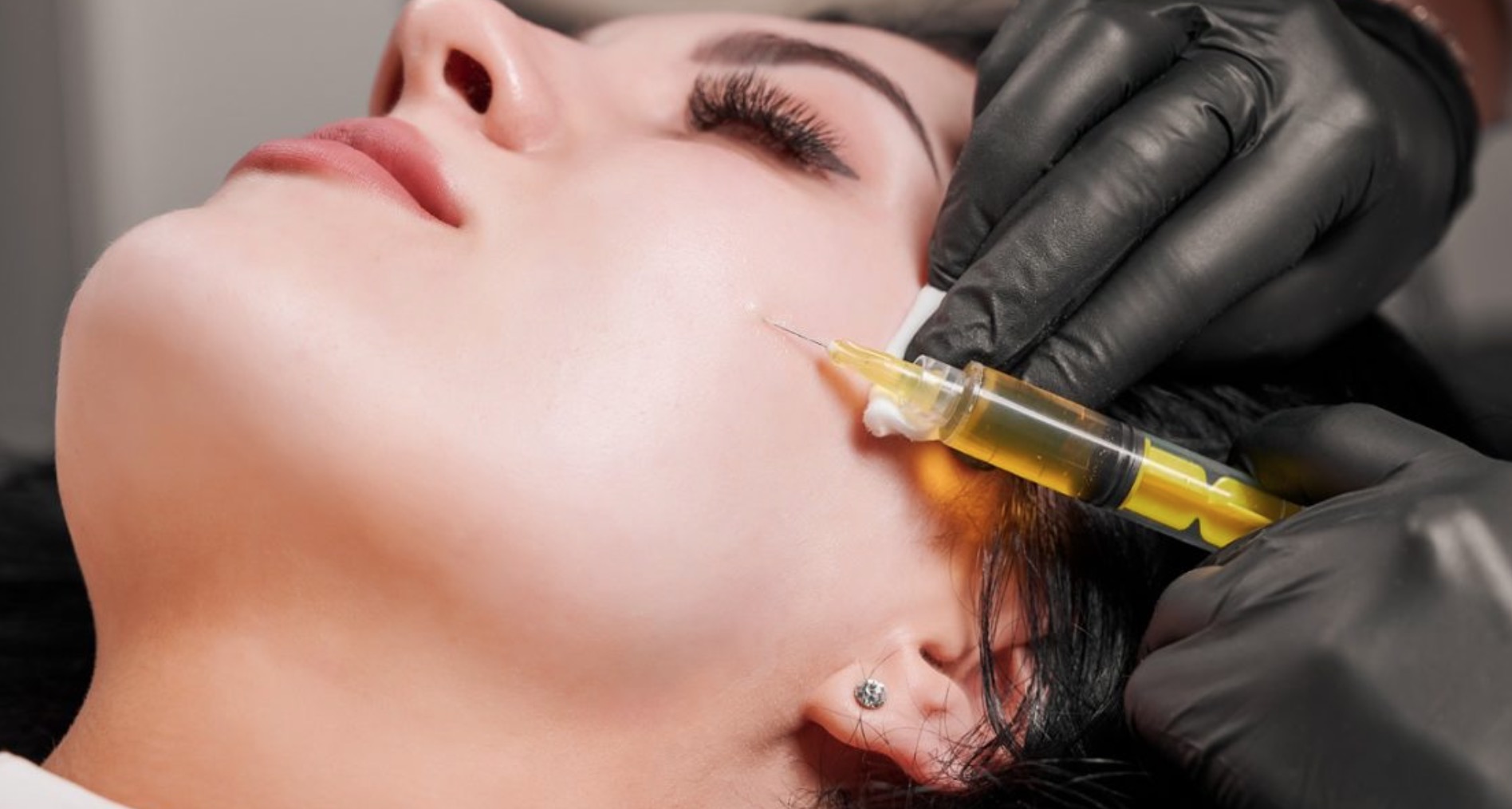
Platelet-Rich Plasma (PRP) therapy harnesses the body's own healing factors. A small sample of the patient's blood is centrifuged to concentrate platelets and growth factors. This platelet concentrate is then injected into the target area, triggering a cascade of tissue regeneration, collagen production, and neovascularization.
When Recommended
Areas of Impact
Contraindications
Absolute Contraindications▼
- ✕Severe anemia (Hb < 10 g/dL)
- ✕Thrombocytopenia (platelet count < 100,000/μL)
- ✕Active systemic infection / sepsis
- ✕Active infection at injection site
- ✕Pregnancy and lactation
- ✕Malignancy (especially hematological)
- ✕Severe autoimmune diseases
Requires Consultation▼
- !Anticoagulant therapy
- !Mild anemia
- !Chronic liver disease
- !Immunosuppression
- !Autoimmune diseases in remission
- !Systemic corticosteroid therapy
Step by Step Process
Blood Draw
A small amount of blood is drawn from the patient's arm
Centrifugation
Blood is processed in a centrifuge to separate platelet-rich plasma
Activation
PRP is activated with calcium to release growth factors
Injection
Activated PRP is injected or microneedled into the target area
Key Benefits
Uses your own blood — zero allergy risk
Stimulates natural regeneration
Improves skin and hair quality
Safe and biocompatible
Visible results after 2–3 sessions
Recovery & Downtime
Mild swelling and redness for 24 hours. Avoid anti-inflammatories. Results develop over 4–6 weeks.
Key Benefits
PRP Therapy
Frequently Asked Questions
Is PRP safe?▼
Yes, since it uses your own blood, there is zero risk of allergic reaction.
How many sessions for hair loss?▼
Typically 3–4 sessions spaced 4–6 weeks apart. Maintenance every 6 months.
Can PRP be combined with other treatments?▼
Yes, it pairs excellently with microneedling, biorevitalization, and laser treatments.
Ready to Transform?
The doctor will select the optimal program during a free consultation
Book a Consultation